
Subscribe to our newsletter
Receive the latest updates on sustainability and net zero, plus technical insights and smart product innovation
Subscribe to our newsletter
Receive the latest updates on sustainability and net zero, plus technical insights and smart product innovation



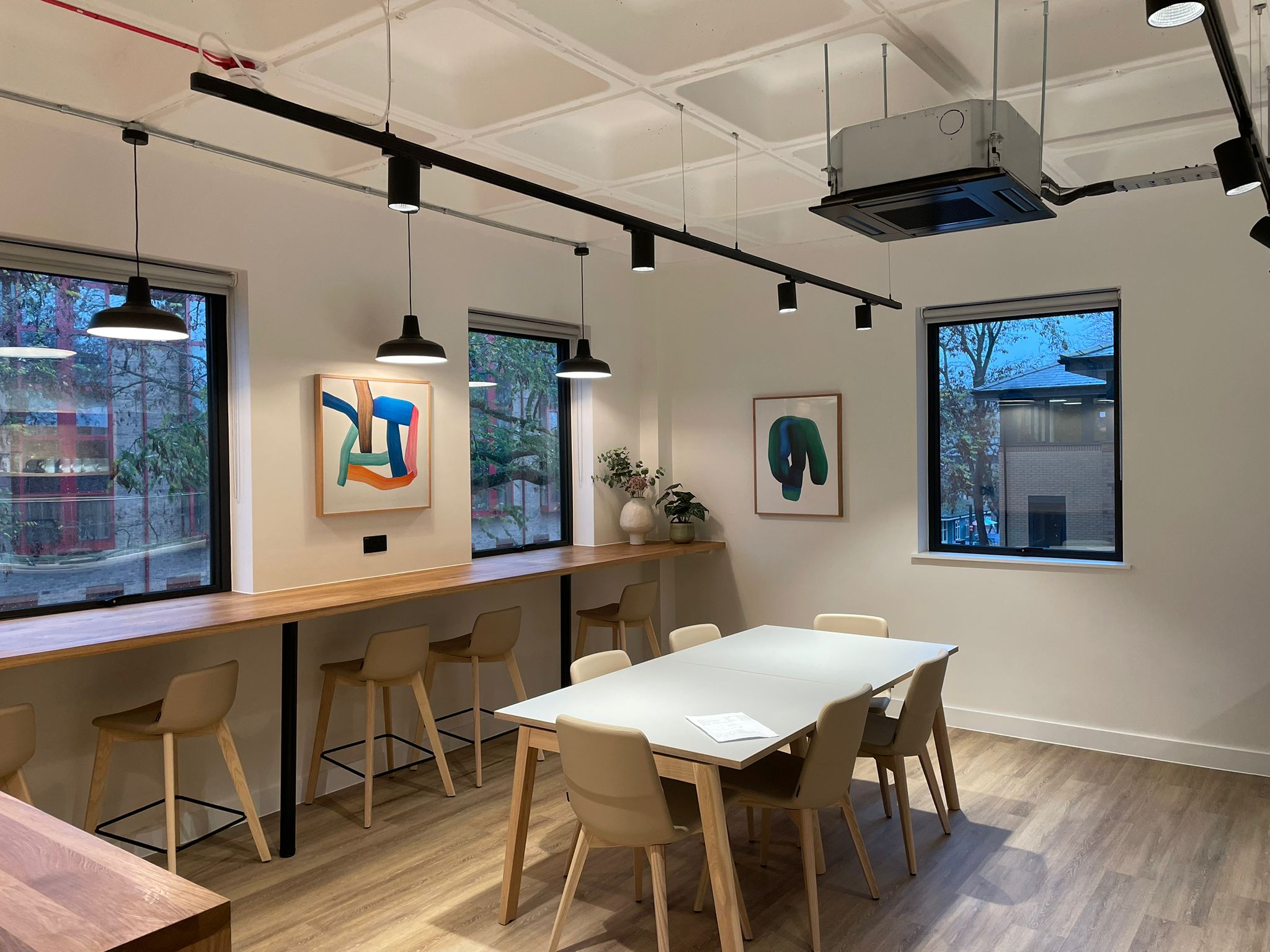
With sustainability an ever-increasing priority, lighting is evolving beyond efficient LED solutions towards smarter systems that deliver light only when and where it is needed, says Russell Joseph, Senior Group Controls Manager at Luceco.
As sustainability becomes an increasingly important consideration across commercial building projects, the focus within lighting is shifting beyond simply replacing traditional lamps with more efficient LED alternatives. For building owners, facilities managers and electrical contractors, the next opportunity lies in making sure lighting is only used when and where it is needed.
This is driving growing interest in intelligent lighting controls, with occupancy sensing, daylight harvesting, zoning and data monitoring becoming important components of energy-efficient lighting projects.
Even efficient LED luminaires consume unnecessary energy if they are operating at full output in an empty room, corridor or warehouse, or when sufficient natural light is available. Rather than relying on fixed operating patterns, smart controls allow lighting to respond to how a building is being used.
Russell Joseph, Senior Group Controls Manager at Luceco, said, “The conversation around energy-efficient lighting has moved on. LED technology has delivered significant improvements in efficiency, but there is now a greater understanding that the way lighting is controlled can have just as important a role to play.
“The most effective projects use data and automation to understand how a building is being used and make the lighting respond accordingly.”
Lighting that responds
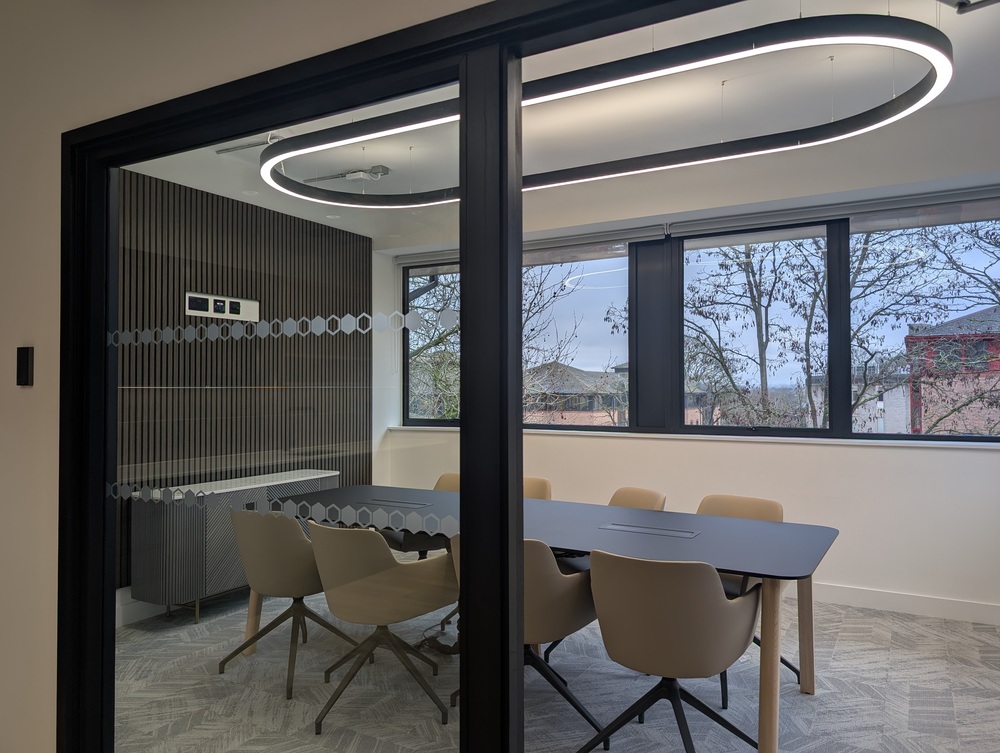
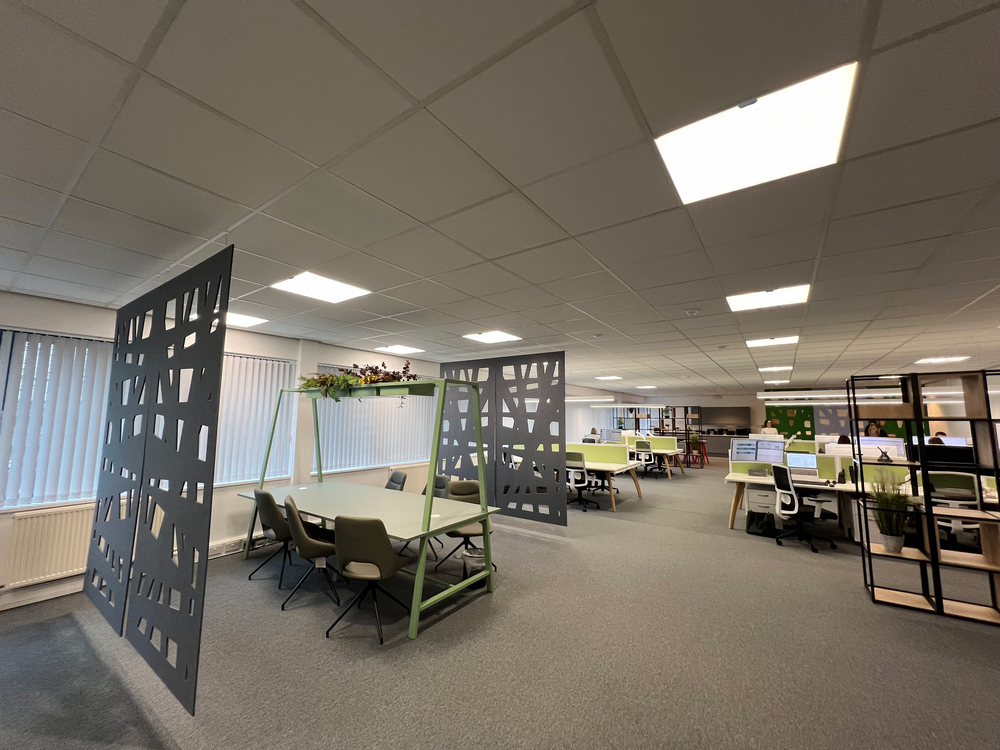
Occupancy sensing is one of the most established ways of achieving this. Sensors can detect when spaces are occupied and adjust lighting accordingly. In offices, this can mean creating individual zones for meeting rooms, workspaces and circulation areas. In warehouses and industrial environments, lighting can be controlled according to activity within particular aisles or working areas.
Zoning allows lighting strategies to reflect changing patterns, with individual areas having their own operating profiles, schedules and lighting levels. Daylight harvesting provides another opportunity, with sensors measuring available natural light and automatically adjusting artificial lighting.
From automation to insight
The evolution of smart lighting is also about more than switching lights on and off automatically. Increasingly, connected systems can provide valuable data about how buildings are occupied and how lighting systems are performing.
This data-driven approach can help facilities teams identify patterns that would otherwise be difficult to see. If an area is consistently unoccupied, its lighting strategy can be reviewed. Monitoring can also highlight opportunities to adjust schedules, zoning or lighting levels.
For organisations with sustainability targets, this ability to measure performance is particularly valuable.
Russell added, “Data gives building operators visibility of how spaces are being used and how their lighting is performing. That means they can make informed decisions rather than relying on assumptions and continue optimising the installation after it has been commissioned.”
Making smart lighting accessible
Wireless controls are making these strategies more practical for new-build and refurbishment projects. Traditional control systems can require additional cabling and significant planning, potentially making upgrades disruptive. Wireless solutions provide a flexible route to introducing intelligent control without the same level of infrastructure work.
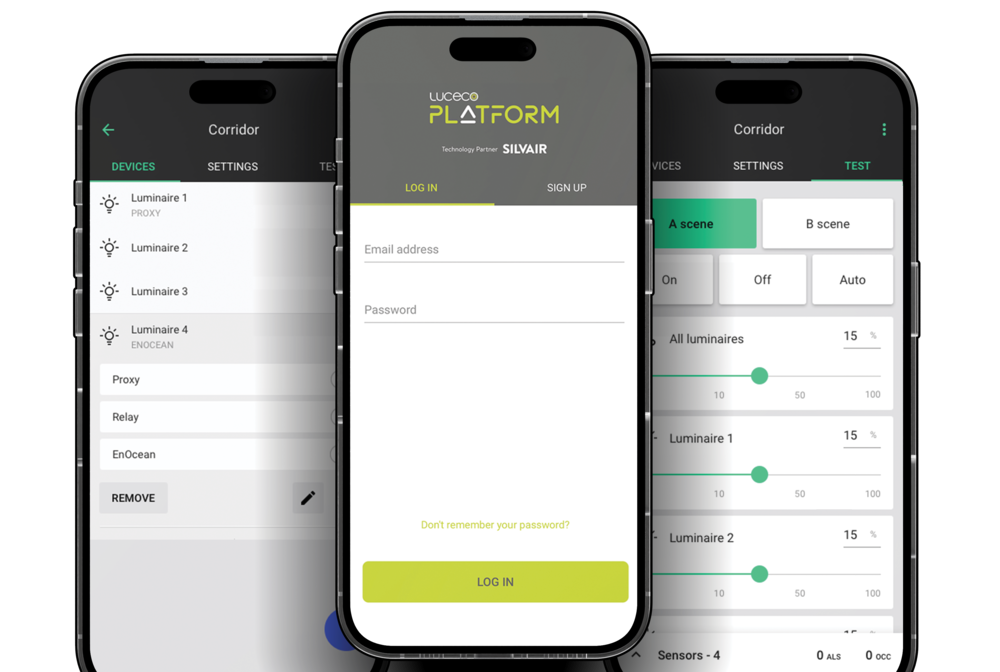
Luceco’s Platform Wireless Lighting Control has been developed around this principle. Based on Bluetooth NLC technology, the system creates a wireless network connecting luminaires, sensors, switches and gateways. It supports dimming, presence detection, daylight control, scene-setting, scheduling and remote monitoring.
Platform can also be used to create individual lighting zones, while mobile and web-based tools allow contractors to commission systems and adjust settings. Remote monitoring provides building operators with ongoing visibility of performance. This is particularly relevant to retrofit projects, where minimising disruption is a priority.
Platform is designed to upgrade existing lighting installations without the need for additional control cabling.
A more sustainable approach
As pressure grows on organisations to reduce energy consumption and demonstrate progress towards sustainability targets, lighting is increasingly being viewed as an active part of a building’s energy management strategy rather than simply a fixed electrical load.
The combination of efficient LED luminaires, intelligent controls and usable performance data creates an opportunity to continually optimise lighting throughout a building’s operational life. For electrical contractors, this changes the conversation with customers. Projects can become an opportunity to create a more responsive, adaptable and measurable system.
Russell concluded, “Smart lighting is ultimately about matching the light to the building and the people using it. By combining efficient luminaires with occupancy detection, daylight control, zoning and data, contractors can help customers reduce wasted energy while creating lighting environments that are more responsive and comfortable.
“The technology is already available. The opportunity now is to make intelligent control a much more integral part of how we approach energy-efficient lighting projects.”
This article appeared in Electrotechnical News September/October 2026 edition – read it here




Subscribe to our newsletter
Receive the latest updates on sustainability and net zero, plus technical insights and smart product innovation